Pear Protocol
Crypto Pair Trading Platform Development
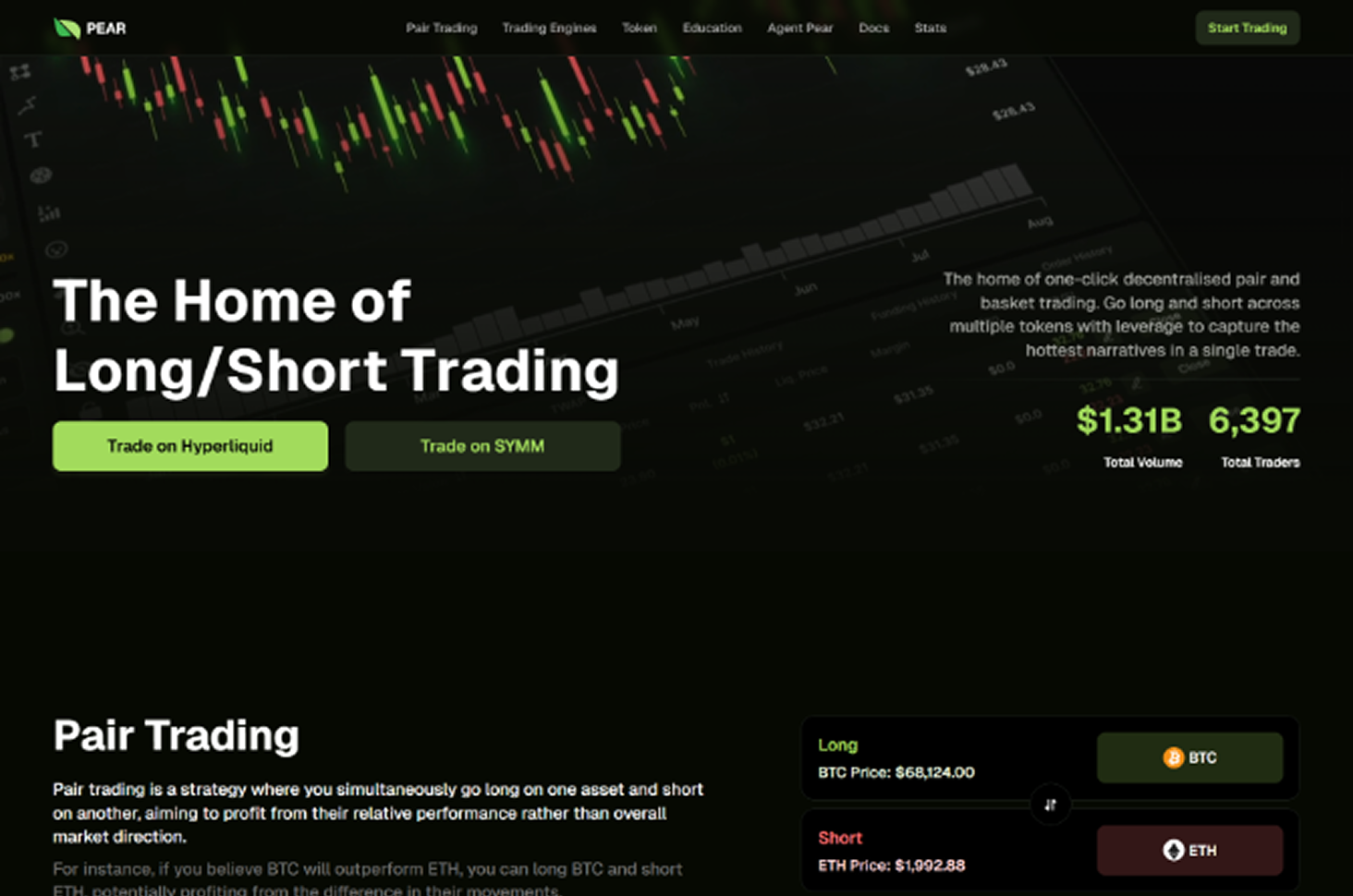


Engineering and Delivery Approach
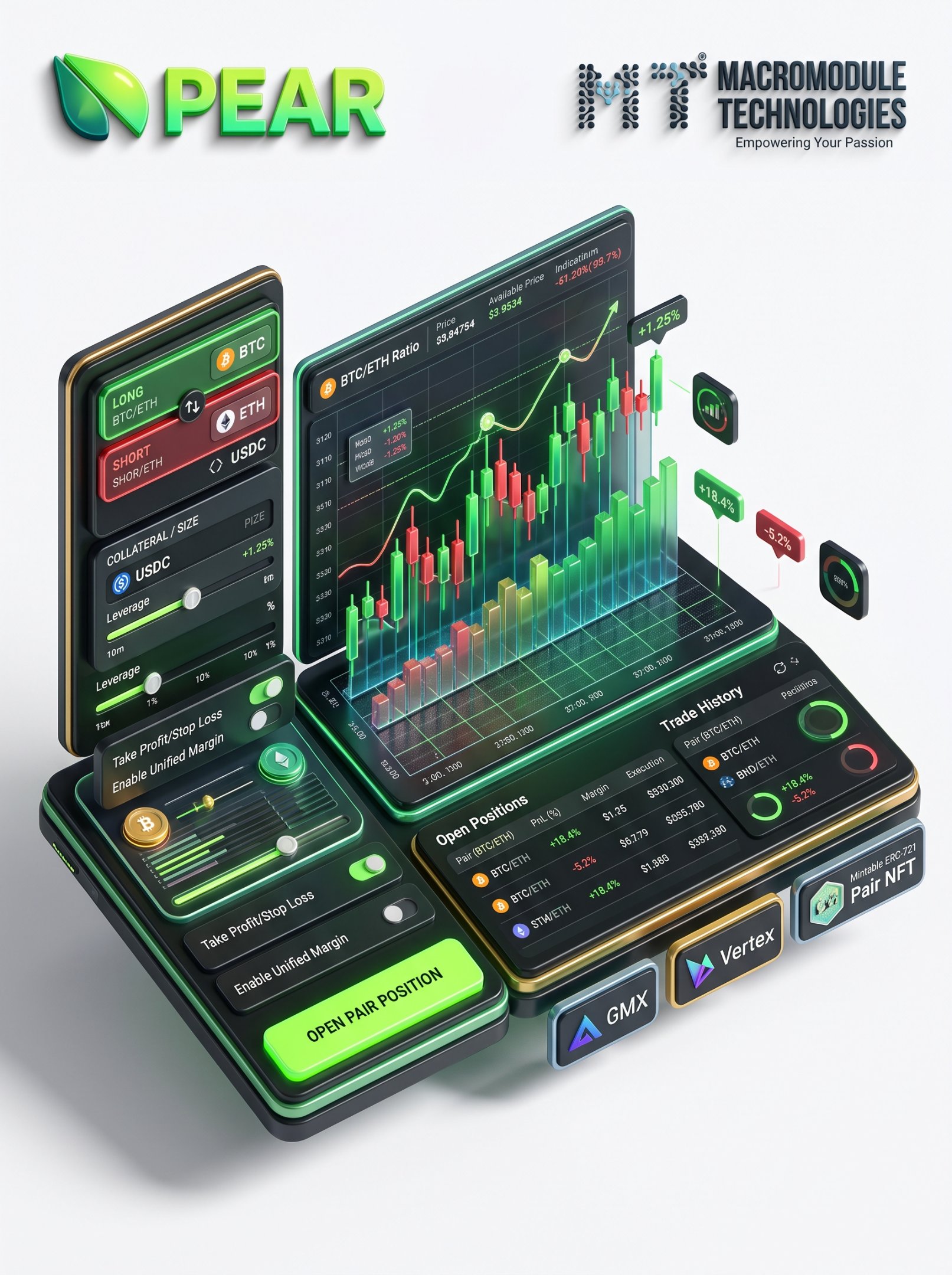
From Separate Trade Inputs to a Connected Position View
Coordinating Two Sides of a Trade
A Connected Pair-Trading Experience

Clear Pair Configuration
Let users review the selected assets, trade direction and relevant position inputs before proceeding

Connected Trading Actions
Guide users through the supported wallet and execution workflow, with clear feedback as actions progress.

Position-Level Visibility
Present the overall pair trade alongside the available details for each leg, helping users follow related exposures in context.

Understandable Trade Conditions
Present relevant transaction and position details supported by the delivered product so users can review the information before acting.
Client Requirements

Key Engineering Challenges

Two-Leg Trade Coordination
Related long and short positions need a coherent setup and status flow while keeping each side identifiable.

Changing Market Information
Market values can change while users review a proposed trade, so displayed inputs need clear labels and context.

Asynchronous Execution
Submitting an action and receiving its result are separate stages. The interface needs to communicate progress and outcomes according to the supported integration.

Combined and Individual Position Views
Users need to understand the overall pair trade while retaining access to the available details of each position leg.

Accurate Trading Language
The product must explain trade actions and position details clearly without implying that pair trading removes market risk or guarantees a particular result.
Market Insights
“Relative Positions Need Context”
Users need to understand the relationship between the selected long and short exposures, not just view each asset independently.

“Execution States Matter”
Clear feedback helps users distinguish between preparing an action, submitting a transaction and receiving an execution result.

“Position Details Support Decisions”
A combined position view is more useful when users can also inspect the information available for each individual trade leg.

“Simplicity Must Preserve Clarity”
Reducing friction in the trading journey should not hide transaction conditions, position details or the risks associated with market exposure.


The Macromodule Solution
-
Pair-Trade Configuration Organize the relevant asset selections, trade direction and position inputs so users can review the proposed pair before proceeding.
-
Position Review Before Action Keep the proposed trade information available for review before users continue with the supported execution steps.
-
Web3 Execution Workflow 3. Web3 Execution Workflow Connect application actions with the supported wallet and execution interactions involved in the trading journey.
-
Transaction and Position Status Present the available action status and position information so users can follow the workflow without confusing submission with a completed result.
-
Pair-Level and Leg-Level Context Keep the overall pair-trade view connected to the individual position details available in the product.
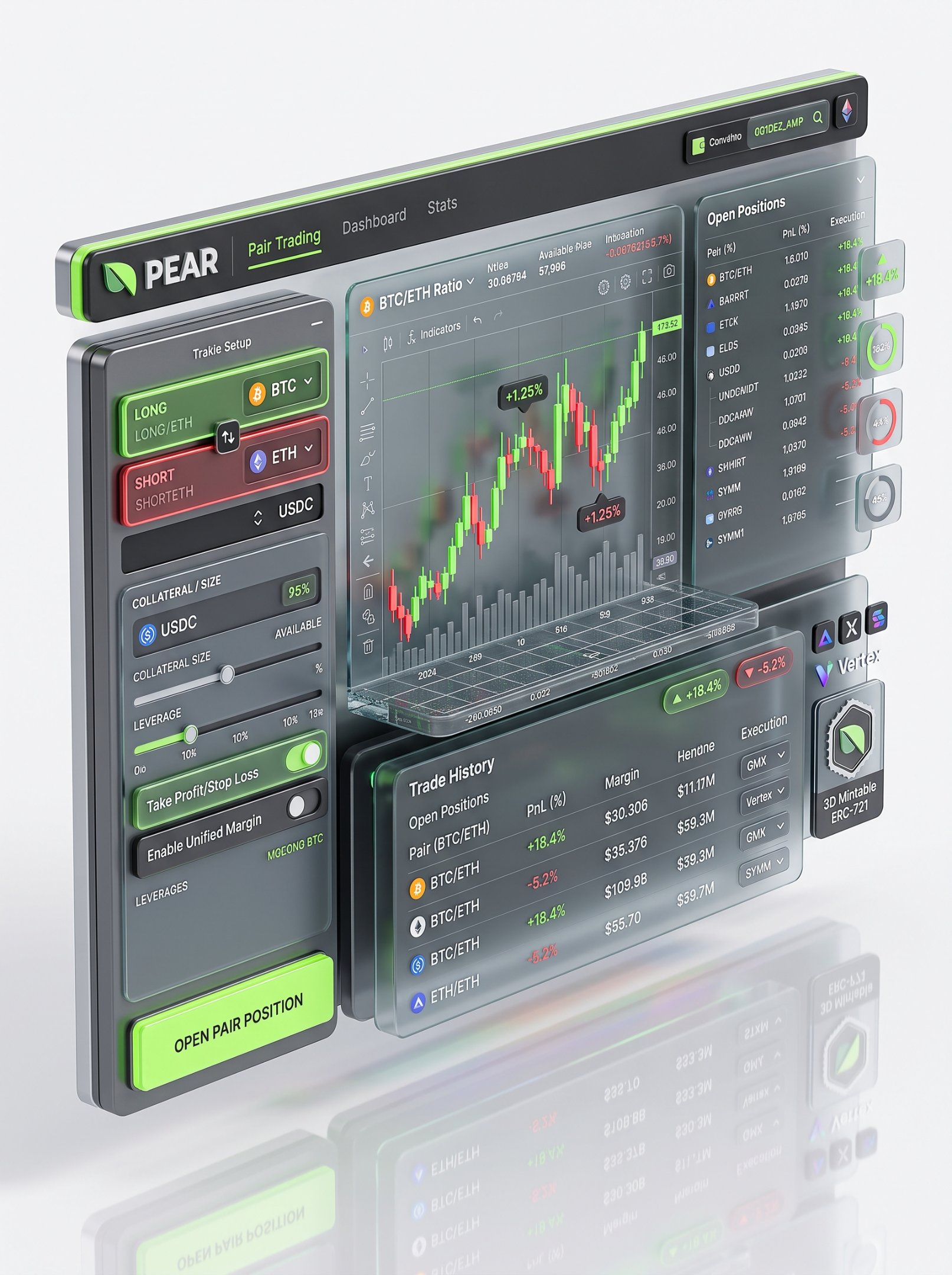
Pear Protocol System Architecture
Trading Interface

Captures asset selection, trade direction and relevant position inputs, allowing users to review the proposed pair before proceeding.
Market Information

Presents the relevant asset and market information available to support trade review and provide context for the proposed position.
Execution Integration

Connects user-initiated application actions with the wallet, contract or trading-system interactions supported by the delivered product.
Position State

Organizes available execution status and position details so the application can reflect relevant updates to the trading journey.
Account and Position Views

Brings together relevant trade information in the user interface, retaining the relationship between the overall pair and its individual legs where supported.
Engineering and Delivery Approach

Map the Trade Journey
Define the steps users follow from asset selection and position review through supported execution actions and position display.

Keep Related Inputs Visible
Present the relevant inputs for both trade legs so users can review how the proposed position is configured before proceeding.

Reflect Execution Outcomes
Distinguish between pending actions and reported results according to the states supported by the relevant wallet or execution integration.

Present Position Context
Connect the overall pair-trade view with the individual leg details available in the product, helping users follow related position information.
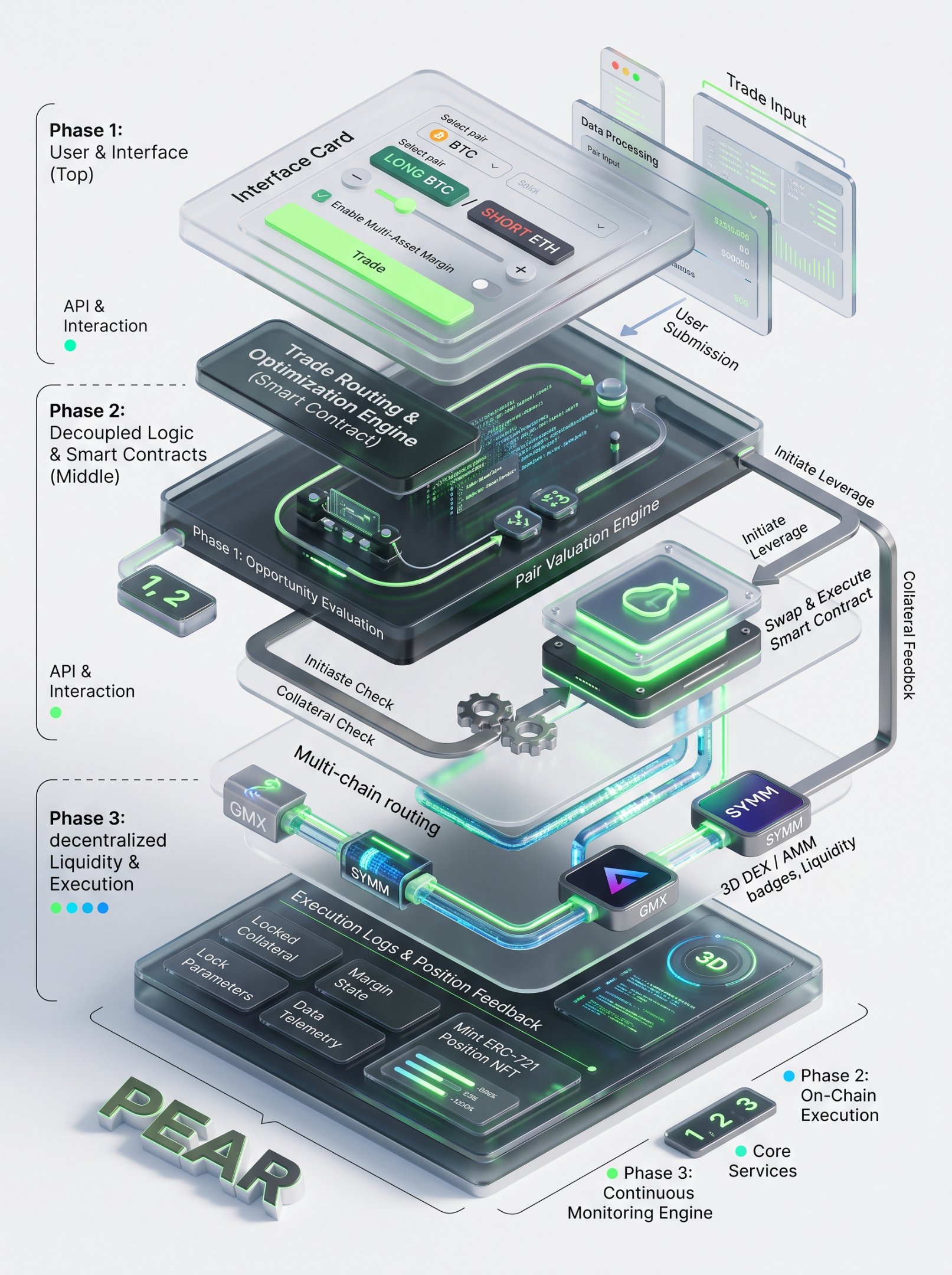
Trade Setup and Position Workflow

Configure the Position
LAYER // 01Present the relevant asset selections, trade direction and position inputs for review before the user proceeds with a supported action.
Follow the Execution Steps
LAYER // 02Provide understandable feedback for the wallet and trading actions supported by the product, reflecting the available transaction status.

Review Position Information
LAYER // 03Keep available position details connected to the overall pair-trade view so users can understand the information presented for the combined trade and its individual legs.
Project Outcomes

A Dedicated Trade Setup Flow
Organizes trade inputs around the relationship between the selected long and short exposures, making the proposed position easier to review.
Connected Execution Steps
Links application actions with the supported Web3 execution workflow, keeping the trading journey organized around its required steps.

Visible Action Status
Presents the status information available to users, helping distinguish an action in progress from a reported result.

Related Position Information
Keeps the pair-level view connected to available details for each trade leg, preserving context about the related exposures.

Consistent Product Patterns
Applies a coherent approach to configuration, execution feedback and position presentation across the trading journey.
Pear Protocol Platform Capabilities

DeFi Trading Interfaces
Organize trade configuration and position details into an interface that helps users understand the relationship between the selected exposures.
Web3 Execution Integration
Connect supported application actions with the relevant wallet and execution steps, presenting available status feedback as the workflow progresses.

Financial Data Presentation
Keep related trade information accessible while retaining the individual leg details available in the product.

Multi-Step Product Flows
Structure the user journey around trade review, supported execution actions and position status so each stage remains understandable
Build a Similar Solution
Macromodule develops custom trading applications around your users, execution model and position-management requirements. From Web3 integrations to multi-leg position dashboards, we help turn complex product requirements into clear, connected application workflows.

Crypto Trading Applications
Build interfaces for configuring trading actions, reviewing digital-asset positions and presenting relevant trade information.

DeFi Integration Workflows
Connect application journeys with supported smart contracts, wallet interactions and transaction steps based on the project's requirements.

Multi-Leg Position Dashboards
Bring related exposures and individual position details into one understandable view, with clear labels and status information.

Market and Account Interfaces
Present relevant market and account information through a consistent interface that helps users review available data and follow application actions.
Frequently Asked Questions
Let's Build Your Next Digital Product
Whether you are launching a new platform, modernizing legacy systems, or expanding engineering capacity, Macromodule Technologies helps you move forward with clarity and confidence. We support you across product discovery, technical architecture, UI/UX design, software development, quality assurance, cloud deployment, and continuous improvement. By understanding your core business goals early, we define a clear, risk-free delivery roadmap before writing a single line of code.
From AI-powered platforms and custom enterprise software to blockchain systems, mobile applications, cloud infrastructure, and data-intensive products, we engineer secure, scalable solutions built around your operational strategy. Our focus isn't just on launching—we build a flexible technical foundation that evolves as your users, data, and business requirements grow.
Partner with an engineering team that takes complete ownership, communicates transparently, and stays laser-focused on delivering measurable, long-term value.
Our Offices:

Head Office (USA)
Address: 28 W Flagler St Ste 300B #324 Miami, FL 33130
Phone: +1 (321) 364-6867
Email: consultant@macromodule.com

Regional Office (UAE)
Address: Business Centre, Sharjah, United Arab Emirates
Phone: +971 55 154 7284
Email: consultant@macromodule.com

Innovation Hub (Pakistan)
Address: 61 C, Pia Housing Scheme, Lahore 54000
Phone: +92 (339) 0134700
Email: consultant@macromodule.com
