Tajir Chain: EVM-Compatible Blockchain Network
Layer 2 Blockchain Development & Infrastructure
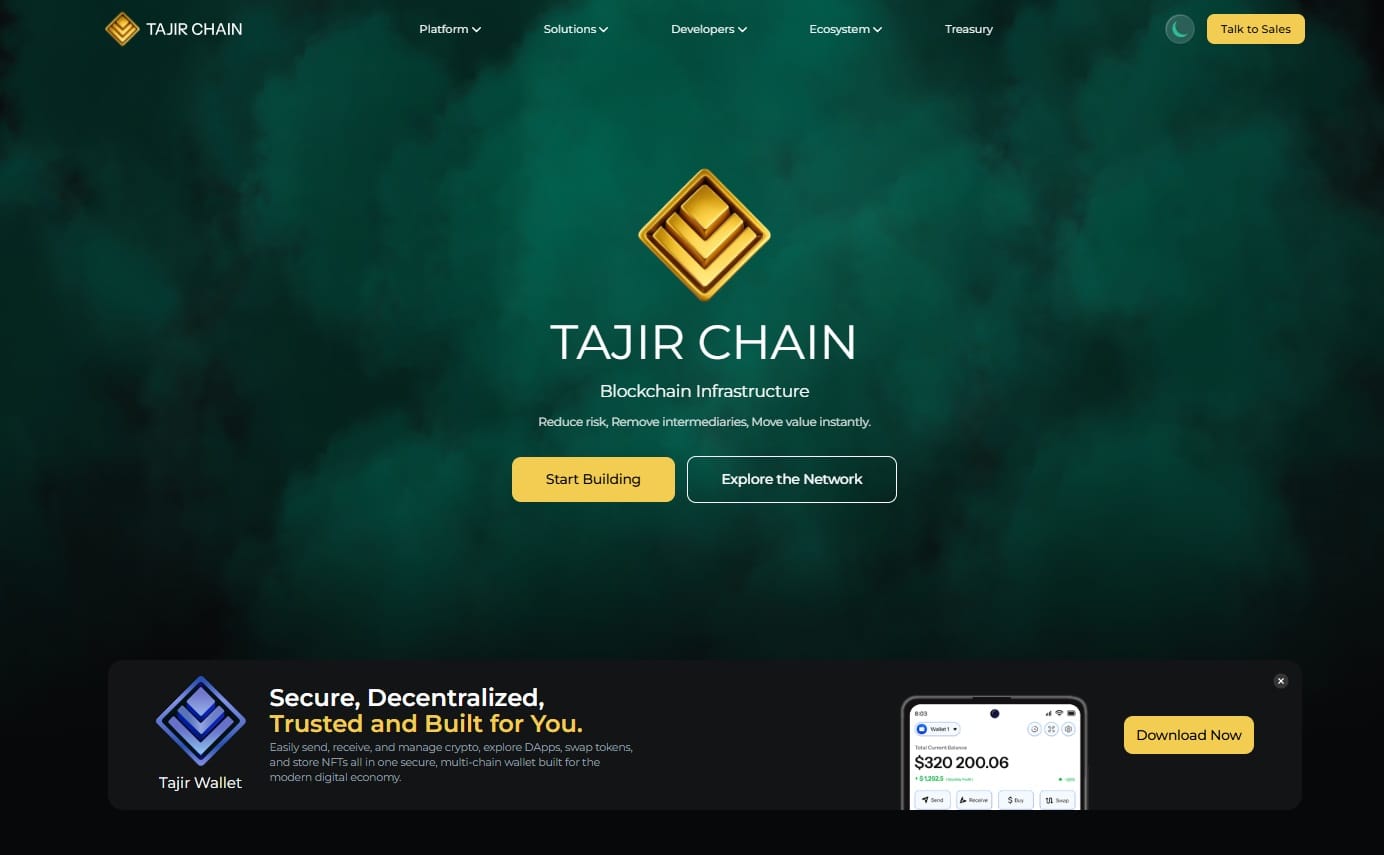

Building the Infrastructure Behind Tajir Chain
Tajir Chain provides a network foundation for applications that use smart contracts and verifiable on-chain activity. Macromodule’s engineering contribution connected the chain infrastructure with the interfaces developers and users need to interact with it.
The Layer 2 blockchain development work extended beyond network configuration. It brought together developer access, explorer integration, wallet connectivity and contract workflows within the wider Tajir ecosystem.
From Network Components to a Usable Ecosystem
A Chain Needs More Than Execution
Connected Infrastructure and Tools

Compatible Application Development
Give builders an application environment that works with established smart-contract development practices.

Coordinated Network Operations
Bring execution, transaction ordering and node services into a consistent operational setup.

Ecosystem Connectivity
Connect the network to wallet experiences and external interfaces required by the Tajir product ecosystem.

Developer Access and Visibility
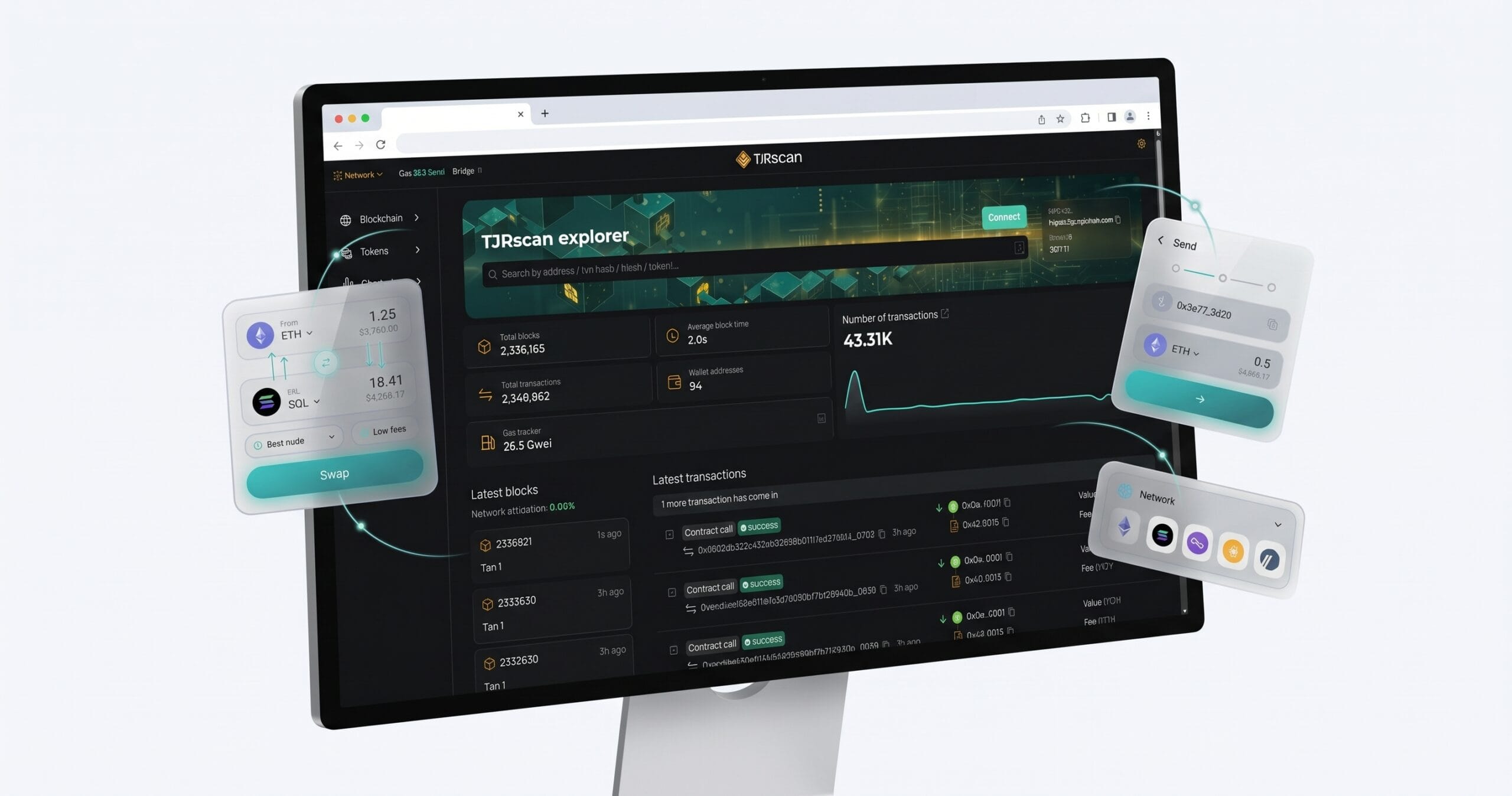
Provide network configuration, access points and explorer tooling that help builders interact with the chain and inspect activity.
Client Requirements
Engineering Challenges

Aligning Network Components
Execution, transaction ordering and service configuration need to operate together across the deployment.

Maintaining Operational Continuity
Node services need clear monitoring and recovery responsibilities so the operator can identify and respond to failures.

Connecting External Interfaces
Wallet and interoperability integrations introduce dependencies that must be aligned with the network’s configuration and supported workflows.
Managing Sensitive Changes
Contract deployments and network updates need controlled procedures that make responsibilities and approvals clear.

Supporting Builder Workflows
Developers need consistent configuration, useful documentation and a practical way to inspect their application activity.
Product Needs Behind the Build
“Developer Familiarity Matters”
Compatibility with established tools helps teams apply their existing development experience.

“Activity Needs to Be Inspectable”
Builders and users need a way to check transactions and understand recorded network activity.

“Interfaces Shape Adoption”
Wallet configuration, access points and documentation affect how easily applications can connect to a network.

“Operations Continue After Deployment”
Monitoring, incident handling and controlled changes remain part of the engineering responsibility throughout the network lifecycle.

The Macromodule Solution
-
Network Configuration Align chain components and service interfaces within the deployment.
-
Application Access Connect network endpoints to developer and application workflows.
-
Explorer Integration Provide a public interface for inspecting recorded network activity.
-
Ecosystem Interfaces Connect the chain with wallet and other Tajir product experiences.
-
Deployment Coordination Bring contract workflows and operational preparation into the delivery process.
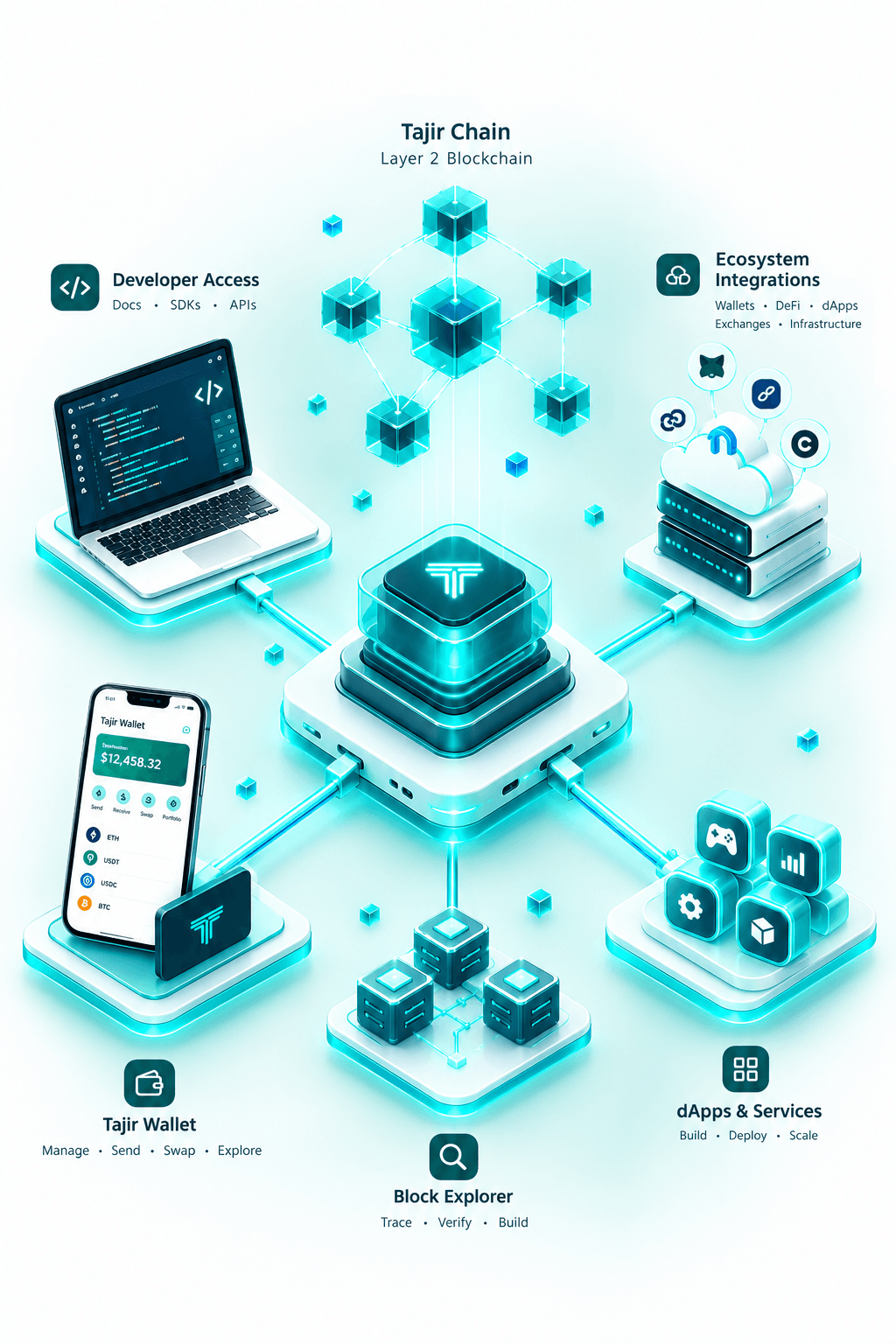
Network and Integration Architecture
Execution Environment
Handles compatible transactions and smart-contract interactions within the network.
Transaction Ordering and Nodes
Coordinates transaction processing and the node services that support network operation.
RPC Access
Exposes network interfaces to applications, wallets and developer tools.
Interoperability Interfaces
Connects the network to supported cross-network workflows and their external dependencies.
Explorer and Ecosystem Tools
Presents recorded activity and connects the chain to developer resources and product integrations.
Engineering and Delivery Approach

Architecture Definition
Define the relationship between chain components, deployment configuration and application-facing interfaces.

Integration Development
Connect wallet, explorer and developer workflows to the network’s supported services.

Workflow Validation
Review transaction paths, contract interactions and service behavior against the intended deployment requirements.

Operational Preparation
Coordinate deployment responsibilities, monitoring requirements and ongoing change procedures with the network team.
Network Controls and Verification

Controlled Changes
LAYER // 01Defined signing and approval responsibilities provide a process for sensitive contract and configuration changes.
Public Activity Views
LAYER // 02The explorer gives users and developers a way to inspect recorded transactions, addresses and contracts.

Operational Monitoring
LAYER // 03Service monitoring and recovery procedures support the operator’s response to network and infrastructure problems.
Project Outcome

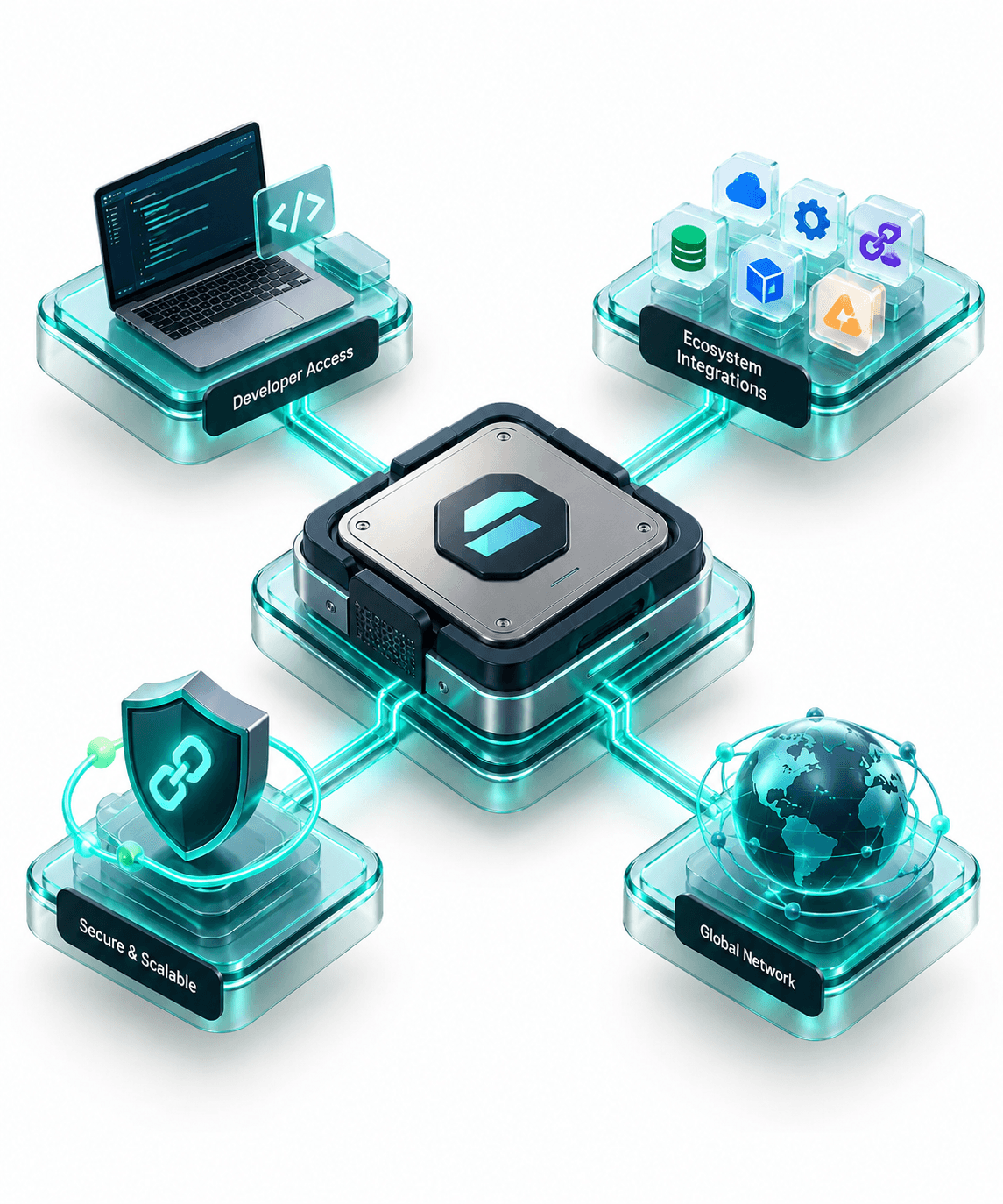
Compatible Network Foundation
A chain environment for deploying and interacting with compatible smart-contract applications.
Developer Access
Network interfaces and configuration resources give builders a practical route into the ecosystem.
Explorer Visibility
A public explorer makes recorded activity available for independent inspection.
Connected Product Interfaces
Wallet and integration work connects the chain with wider Tajir product experiences.
Coordinated Infrastructure Delivery
Network services, deployment workflows and operational responsibilities are brought together within the engineering scope.
Build Your Blockchain Infrastructure with Macromodule
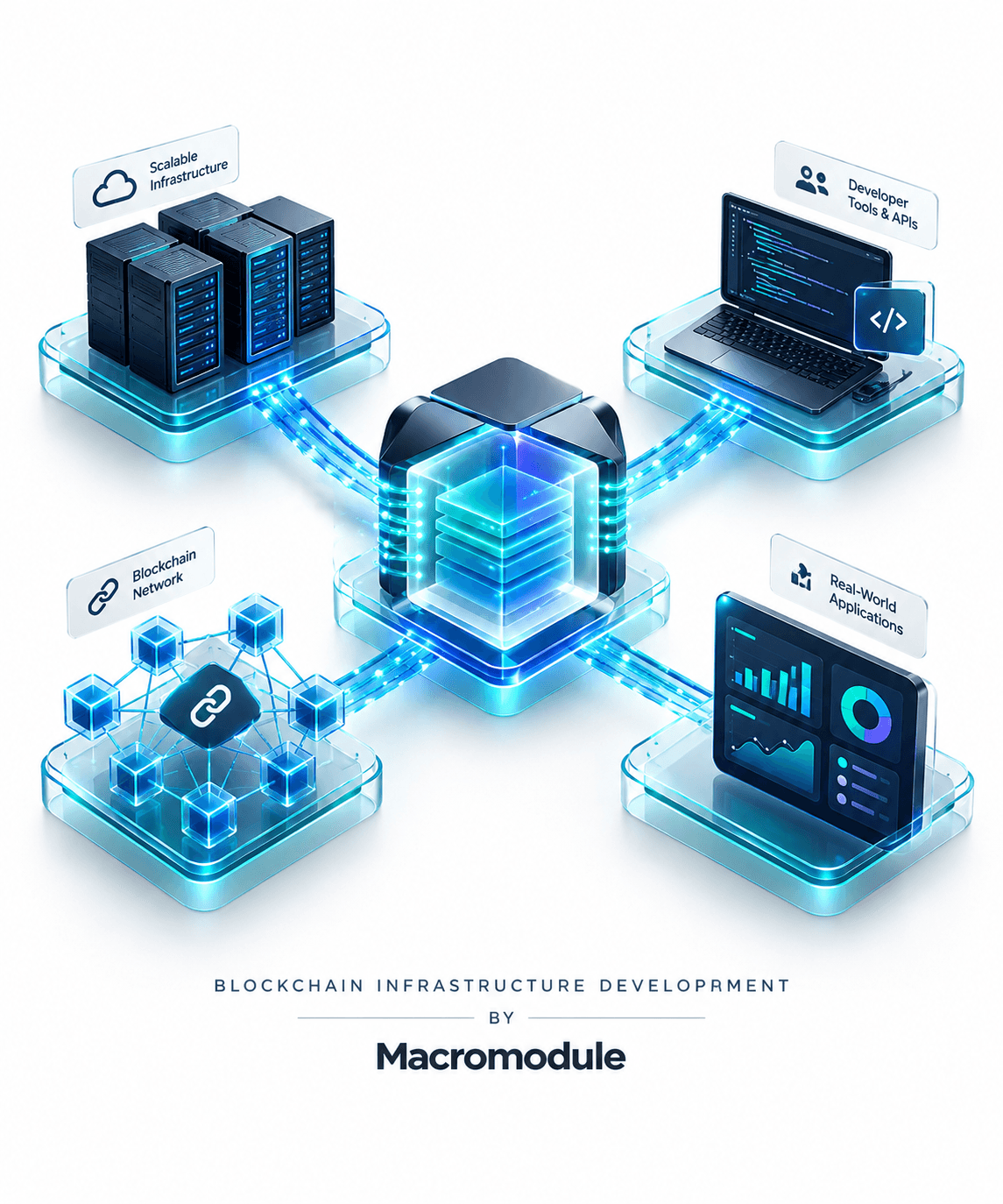
Our blockchain development services connect network architecture, application engineering and ecosystem integrations around your product requirements.

Custom Network Development
Define network components, deployment requirements and interfaces around your intended applications.

Smart-Contract Integrations
Connect contract workflows to application interfaces and deployment procedures.
Explorer and Developer Tools
Build the access and visibility tools developers need to work with your network.
Wallet and Ecosystem Interfaces
Connect supported wallet experiences and external integrations to your blockchain product.
Frequently Asked Questions
Let’s Build Your Next Digital Product
Share your goals, users and technical requirements with Macromodule. We help define the product scope, architecture and delivery priorities, then support design, development, testing and ongoing improvement.
Discuss Your Project
