Agentic Software Development From Prototype to Production

Build new software, complete an AI-built prototype, or improve an existing product with coding agents and accountable engineering.

Macromodule combines agent-assisted implementation with architecture, code review, testing, and release management. Our agentic software development services help turn product requirements and unfinished code into working applications your team can maintain.

New product development · Prototype completion · Engineering ownership
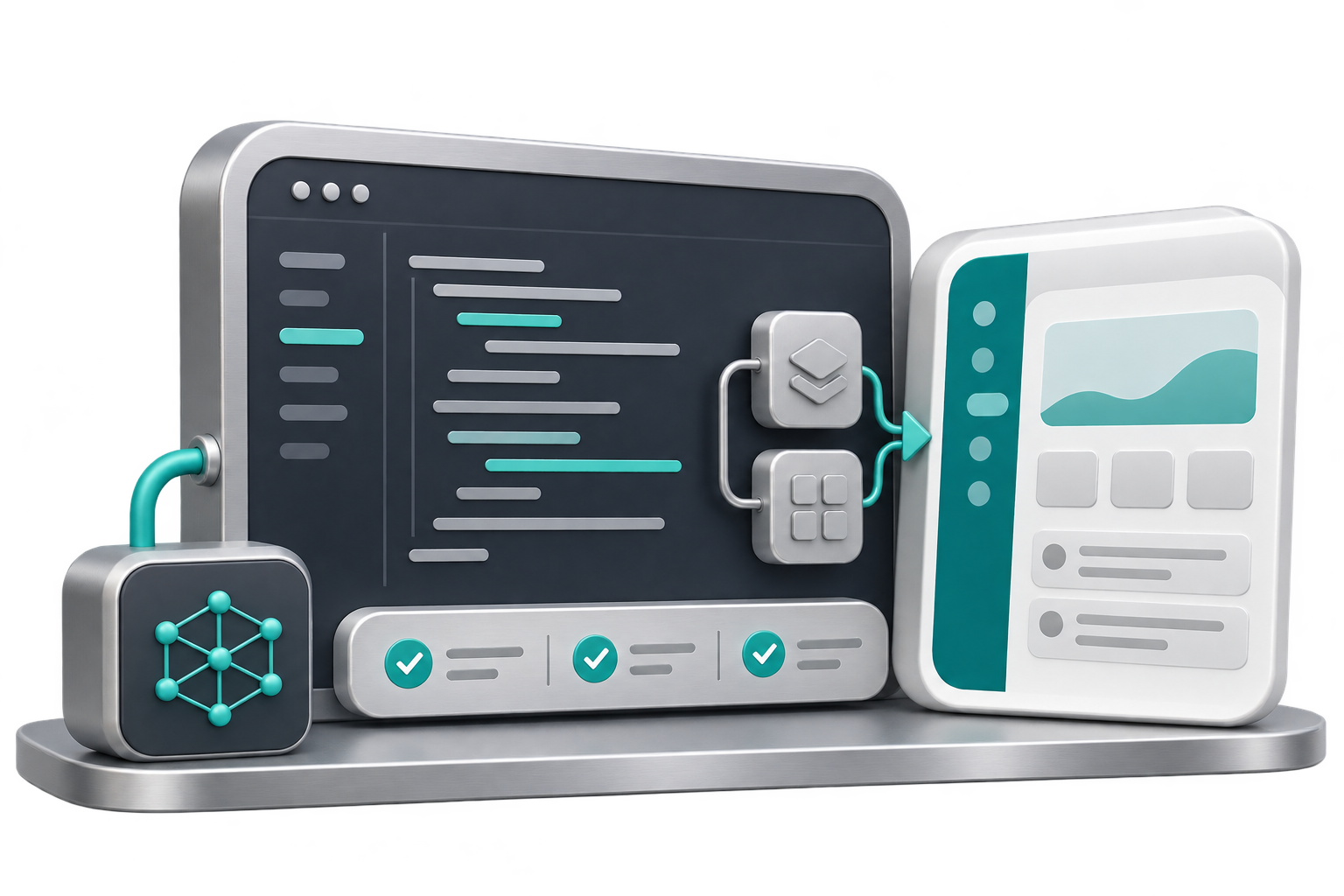
Agent-assisted software development with code review and application preview.

Why Choose Macromodule for Agentic Software Development?

Coding agents can assist with implementation, investigation, tests, and documentation. Product decisions, integration requirements, and release quality still need clear ownership.

We organize delivery around defined requirements, reviewable changes, and acceptance criteria, with engineering decisions connected to how your application will be used and operated.

Product-Led Engineering

Product-Led Engineering

We define the users, essential workflows, business rules, and release priorities before dividing work into implementation tasks. Each increment has an outcome your team can review.

Architecture Before Expansion

Architecture Before Expansion

We assess application structure, data models, permissions, and integrations early. New features follow a coherent foundation rather than accumulating disconnected generated components.

Coding Agents With Engineering Review

Coding Agents With Engineering Review

We use agent-assisted workflows for suitable development tasks and review the resulting changes. Engineers remain responsible for technical decisions, validation, and the agreed release process.

Practical Codebase Takeover

Practical Codebase Takeover

We assess the application you already have, preserve useful work, and identify what needs repair or replacement. The delivery plan explains the reasons behind changes to the existing codebase.

Testing Around Real Workflows

Testing Around Real Workflows

Validation focuses on the application’s important journeys, integration behavior, permission boundaries, and failure cases. We agree the checks required for each release increment.

Handover & Continued Ownership

Handover & Continued Ownership

We prepare the agreed source code, setup guidance, deployment configuration, and technical documentation. Follow-up support and ongoing development can be defined around your operating needs.

Our Agentic Software Development Services

Choose a starting point based on your product’s current stage. We can build from a defined concept, finish an existing prototype, or deliver improvements to an application already in use.
01

New Product & MVP Development

Turn a defined product concept into an initial release covering the essential user journeys, application logic, data layer, and integrations. We use coding agents for suitable implementation work within an engineering process covering design, review, testing, and deployment. Outcome: A focused product increment with agreed functionality and acceptance criteria.
02

AI-Built Prototype Completion

Complete applications started with prompt-based builders or coding assistants. We assess the repository, separate working features from incomplete behavior, connect missing backend functionality, and address agreed gaps in authentication, data handling, payments, and deployment. Outcome: A completion plan and working software built around what your users need next.
03

Codebase Rescue & Technical Takeover

Take over an unfinished or difficult-to-maintain application with a structured assessment of setup, dependencies, architecture, and critical workflows. Preserve usable code, resolve agreed defects, and refactor the parts that obstruct delivery. Outcome: A documented path for continuing development with clear technical priorities.
04

Feature Development & API Integration

Extend an existing product with new workflows, admin capabilities, customer features, and integrations. We scope the affected data models, permissions, third-party APIs, and failure scenarios, then implement changes in reviewable increments. Outcome: New functionality that fits the application’s existing behavior and operating requirements.
05

Testing, Hardening & Release Preparation

Prepare an application for an agreed release through critical-flow testing, configuration checks, defect resolution, and deployment planning. Scope can include payment verification, access control checks, logging, alerts, and rollback arrangements. Outcome: A release candidate supported by documented validation and a clear record of unresolved issues.
06

Ongoing Product Engineering

Continue development after the initial release through a prioritized backlog, reviewed changes, regression checks, and planned deployments. Address product feedback, integration changes, maintenance work, and performance concerns as requirements evolve. Outcome: A defined delivery cadence and engineering support model for your application.

A Software Foundation Your Team Can Maintain

The engagement covers the application and the engineering work needed to develop, validate, release, and maintain it. Deliverables are agreed around your product scope.

Your delivery can include:
Product Scope & Acceptance Criteria: Defined users, workflows, business rules, priorities, and conditions for accepting each increment.
Application Source & Data Layer: The agreed frontend, backend, database changes, and integrations in a version-controlled repository.
Review & Validation Evidence: Relevant automated checks, critical-workflow results, code review, and a record of known limitations.
Environment & Deployment Configuration: Setup instructions, configuration guidance, build procedures, and release steps for the agreed hosting environment.
Technical Handover: Architecture notes, integration details, maintenance guidance, and the information needed to continue development.
Release Backlog & Operating Plan: Remaining work, agreed monitoring and recovery arrangements, and responsibilities for support after launch.
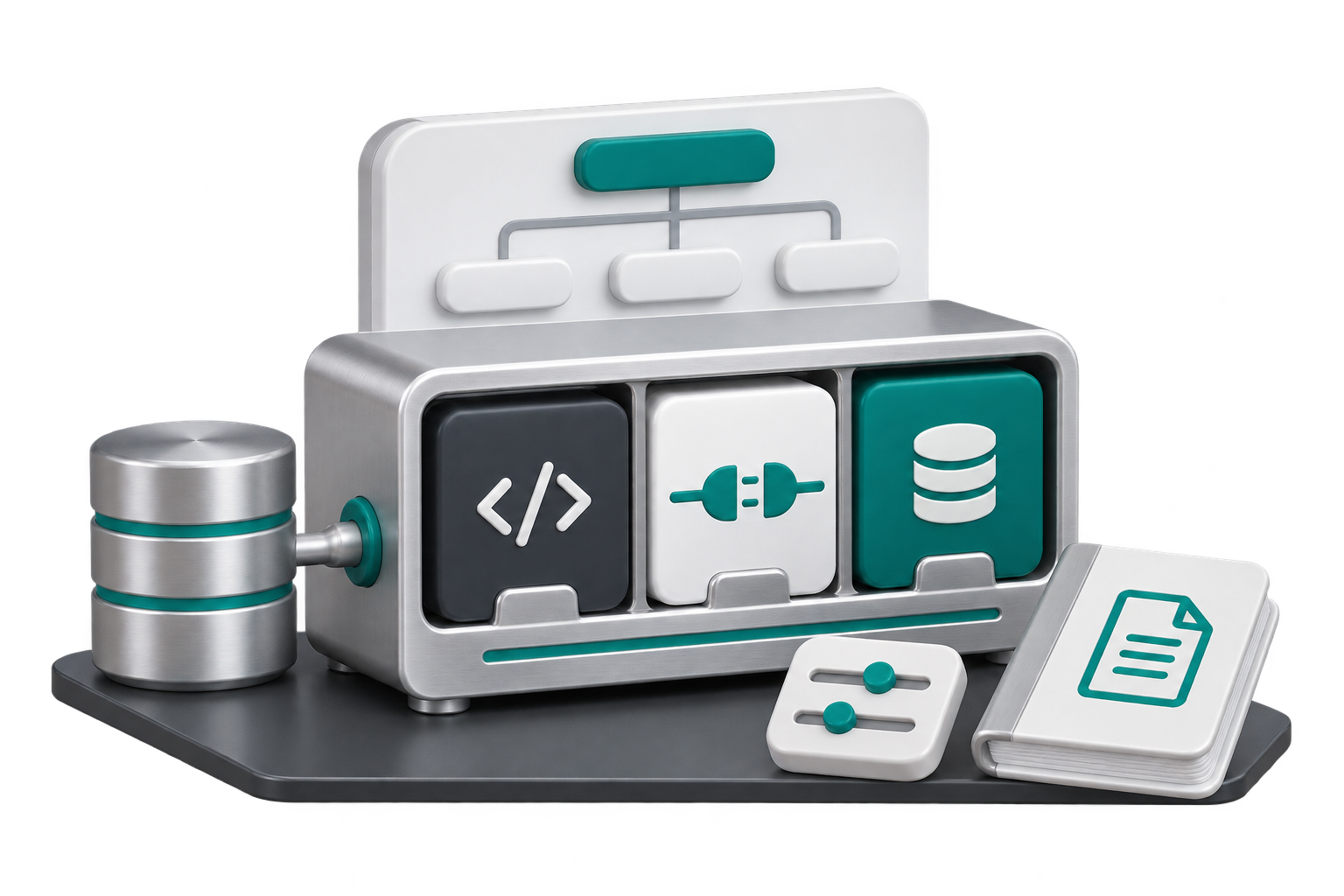
Modular application components, database, configuration, and handover documentation.

From Requirements to Reviewed Software Releases

Our process uses coding agents within a structured engineering workflow. Scope, estimates, and milestones account for implementation efficiencies alongside integration complexity, review, testing, and deployment work.
01

Discovery & Codebase Assessment

Define the product goal, users, essential workflows, constraints, and release priorities. For an existing app, assess setup, architecture, working functionality, and missing components.

02

Architecture & Delivery Plan

Agree data models, interfaces, permissions, integrations, hosting, and acceptance criteria. Divide the scope into reviewable increments with explicit dependencies.

03

Agent-Assisted Implementation

Use coding agents for suitable implementation, investigation, testing, and documentation tasks. Engineers guide the work and check changes against the product requirements and application structure.

04

Code Review & Validation

Review implementation choices and run the checks appropriate to the change. Validate core workflows, permission boundaries, integration behavior, and relevant failure scenarios.

05

Release & Handover

Prepare the agreed environment, deploy the release candidate, and verify essential behavior. Deliver configuration guidance, documentation, known limitations, and recovery steps.

06

Support & Iteration

Gather product feedback and prioritize follow-up work. Agree support responsibilities and evaluate subsequent changes through the same review and release process.

Featured Case Studies & Proof of Work

Explore how we architect, engineer, and deploy high-availability enterprise systems for real-world production environments.
Group 1597884228
Custom Software Solutions

Sequoia Wireless

Telecom customers faced a slow and complicated enrollment process for LifeLine wireless services.

ZAH
Blockchain

ZAH

Users needed an accessible way to purchase and send digital gift cards using cryptocurrency.

Hand and iPhone 16 Pro 1
Blockchain

Tajir Wallet

Users faced high transaction latency, custodial security vulnerabilities, and fragmented interfaces when managing digital assets across disparate EVM and non-EVM blockchains.

React Native Rust Web3.js EVM

Where Is Your Product Today?

Start with the stage that best describes your application. We shape the engagement around the work needed to reach your next usable release.
Engineered for High-Compliance Sectors
01
01

A Product Idea Ready to Build

You know the problem and intended users, and need help defining a focused initial release. We connect product requirements, design, architecture, and implementation in one delivery plan.

02
02

An AI-Built App That Needs Completion

Your prototype demonstrates the idea, but important backend logic, permissions, integrations, or operational requirements are incomplete. We assess what works and scope the remaining delivery.

03
03

An Existing Codebase to Take Over

A previous team or builder has left unfinished features, setup gaps, or maintenance problems. Establish the application’s condition and a practical path for continuing development.

04
04

A Live Product That Needs New Features

Your application is already in use and needs additional workflows or integrations. We plan increments around existing behavior, data, customer expectations, and release constraints.

05
05

A Team That Needs Engineering Support

Your team needs help with a defined backlog, integration work, testing, or release preparation. We agree responsibilities, access, review practices, and the delivery cadence.

Build With Coding Agents. Keep Control of Delivery.

Development tools assist with the work; your product still needs clear decisions, acceptance criteria, and release ownership.

We keep implementation connected to your requirements, make changes reviewable, and document the issues and decisions that affect delivery.
How We Manage Engineering Quality

Define the Expected Behavior: Agree what each feature must do, who may use it, and how failures and exceptions should be handled.
Review Changes in Context: Check generated and manually written code against the application’s architecture, business rules, and affected integrations.
Control Tool Access: Agree repository access, permitted development tools, handling of sensitive information, and environment boundaries.
Validate Before Release: Use appropriate automated checks and workflow testing, then record unresolved issues before the agreed release decision.
Document Decisions & Handover: Explain significant changes, configuration requirements, remaining work, and the responsibilities for maintaining the product.
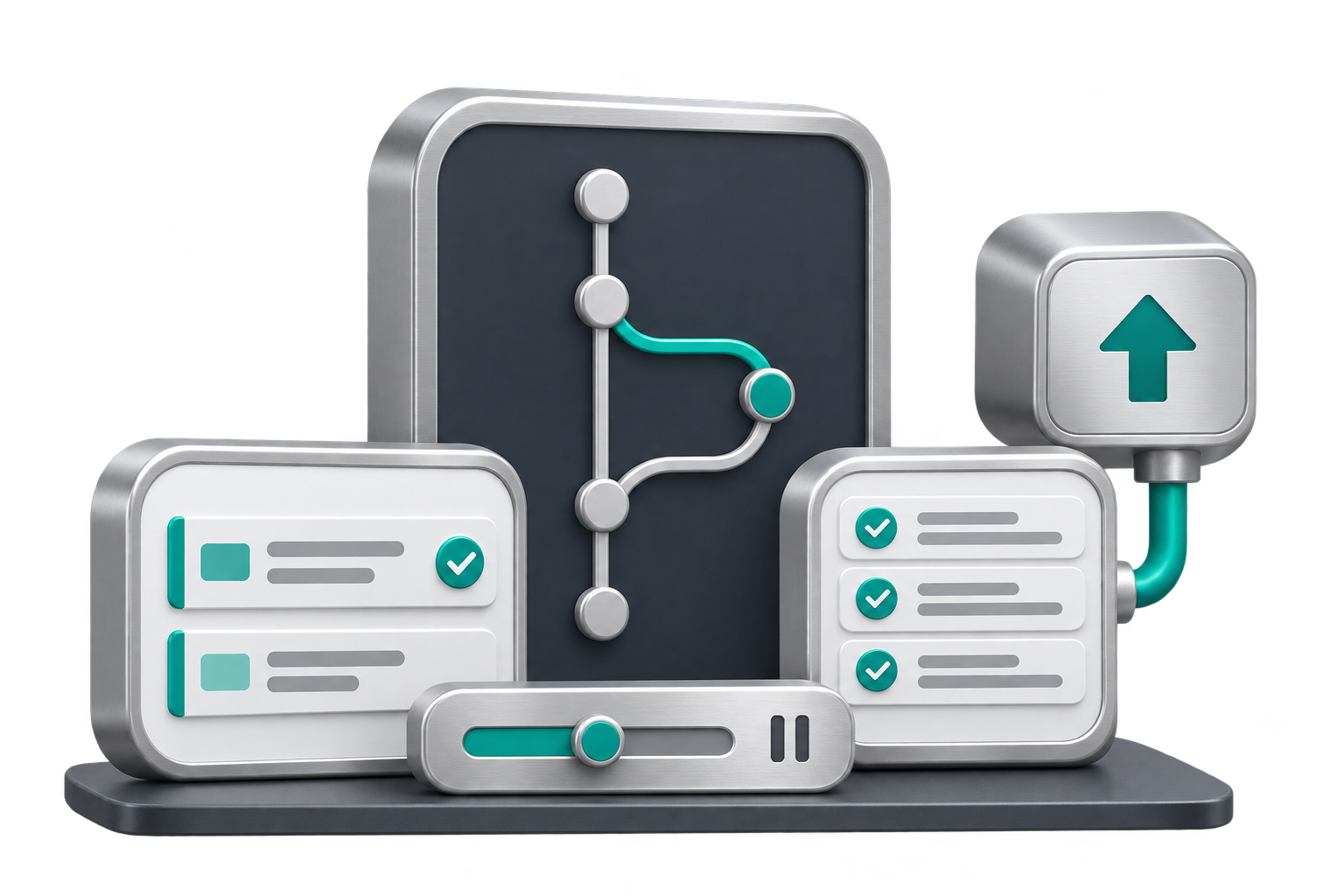
Version control, code review, testing, and controlled software deployment.

Benefits of Agentic Software Development

01
Agentic software development benefit

Use Automation Where It Helps: Apply coding agents to suitable implementation and engineering tasks.

02
Agentic software development benefit

Keep Delivery Focused: Build around agreed user journeys, priorities, and acceptance criteria.

03
Agentic software development benefit

Preserve Useful Existing Work: Assess the codebase before deciding what to retain, refactor, or replace.

04
Agentic software development benefit

Make Progress Reviewable: Deliver scoped changes through version control and defined review practices.

05
Agentic software development benefit

Address Release Requirements: Include integration, testing, configuration, and handover work in the plan.

06
Agentic software development benefit

Support Continued Development: Prepare documentation and an agreed path for maintenance and follow-up releases.

Frequently Asked Questions

Answers about coding agents, existing applications, project estimates, quality checks, ownership, and ongoing support.

Agentic software development uses coding agents to assist with engineering tasks such as investigating a repository, implementing scoped changes, preparing tests, debugging, and documentation. In our service, this work sits within a process covering requirements, architecture, engineering review, validation, and release management.

Agentic software development describes how software is built using coding agents. AI agent development creates an application capability that uses models, tools, and data to carry out a business task. A product built through agent-assisted engineering does not need to contain an AI feature. A project can include both services when required.

We can assess applications where the relevant source code and configuration are accessible. We check the repository, backend, database, integrations, and platform restrictions before confirming scope. The assessment identifies usable features, missing behavior, and any export or hosting constraints that affect completion.

That depends on its condition and requirements. We assess what works, what is incomplete, and which structural problems affect delivery. The plan explains what can be retained, what should be refactored, and whether any component needs replacement. A complete rebuild is proposed only when the evidence supports it.

Yes. We begin by defining the target users, problem, core workflows, priorities, and acceptance criteria. Discovery shapes a focused initial release, architecture, and delivery plan. Product design, application development, integrations, testing, and deployment are included where agreed in scope.

Yes. Agent-assisted changes go through the agreed engineering review and validation process. Review considers application structure, business logic, permissions, integration behavior, and affected workflows. Automated checks support that work, and the release record identifies known limitations and unresolved issues.

It can reduce effort on suitable implementation and engineering tasks. The overall effect depends on codebase quality, requirements, integrations, data migration, testing, and release constraints. Estimates account for realistic automation efficiencies and the remaining work, without applying a blanket percentage reduction.

We assess requirements, the existing codebase where applicable, integrations, design needs, acceptance criteria, and operating constraints. The estimate identifies assumptions, dependencies, deliverables, and exclusions. Uncertain or inherited projects may start with a scoped assessment before we commit to implementation milestones.

Typical inputs include the source repository, setup instructions, relevant design files, backlog, and information about hosting, databases, and integrations. We agree the required access and responsibilities before work begins. Test accounts and an appropriate development environment help validate behavior without relying on live customer data.

We agree repository access, confidentiality requirements, permitted development tools, and restrictions on external processing before implementation. Sensitive information, credentials, logging, and environment access are considered during setup. Any required provider, hosting, retention, or processing constraints must be assessed against the selected services and configuration.

Testing follows the agreed scope and the risks of the change. It can include automated checks, critical user journeys, authorization behavior, payment and integration scenarios, and relevant regressions. Specialist penetration testing, extensive load testing, and compliance assessments are separately scoped where needed.

Yes, subject to the supported interfaces and access available. We define the required user flows, server-side checks, permissions, integration failure handling, and relevant validation. Third-party accounts, fees, approval processes, and platform restrictions are identified during planning.

Source ownership, third-party licensing, account control, credentials, and handover responsibilities are defined in the agreement. The delivery can include the agreed application source, configuration, deployment guidance, and technical documentation. Any third-party components or usage restrictions are identified as part of the scope.

Deployment and support can be included in the engagement. We agree the hosting environment, release procedures, monitoring requirements, handover, and responsibilities after launch. Ongoing support hours, response expectations, maintenance, and recurring charges are defined separately.

Let's Build Your Next Digital Product

Whether you are launching a new platform, modernizing legacy systems, or expanding engineering capacity, Macromodule Technologies helps you move forward with clarity and confidence. We support you across product discovery, technical architecture, UI/UX design, software development, quality assurance, cloud deployment, and continuous improvement. By understanding your core business goals early, we define a clear, risk-free delivery roadmap before writing a single line of code.

From AI-powered platforms and custom enterprise software to blockchain systems, mobile applications, cloud infrastructure, and data-intensive products, we engineer secure, scalable solutions built around your operational strategy. Our focus isn't just on launching—we build a flexible technical foundation that evolves as your users, data, and business requirements grow.

Partner with an engineering team that takes complete ownership, communicates transparently, and stays laser-focused on delivering measurable, long-term value.

Discuss Your Project

Our Offices:

Head Office<span class="gradient-text"> (USA) </span>

Head Office (USA)

Address: 28 W Flagler St Ste 300B #324 Miami, FL 33130

Phone: +1 (321) 364-6867

Email: consultant@macromodule.com

Regional Office<span class="gradient-text"> (UAE) </span>

Regional Office (UAE)

Address: Business Centre, Sharjah, United Arab Emirates

Phone: +971 55 154 7284

Email: consultant@macromodule.com

Innovation Hub <span class="gradient-text"> (Pakistan) </span>

Innovation Hub (Pakistan)

Address: 61 C, Pia Housing Scheme, Lahore 54000

Phone: +92 (339) 0134700

Email: consultant@macromodule.com